
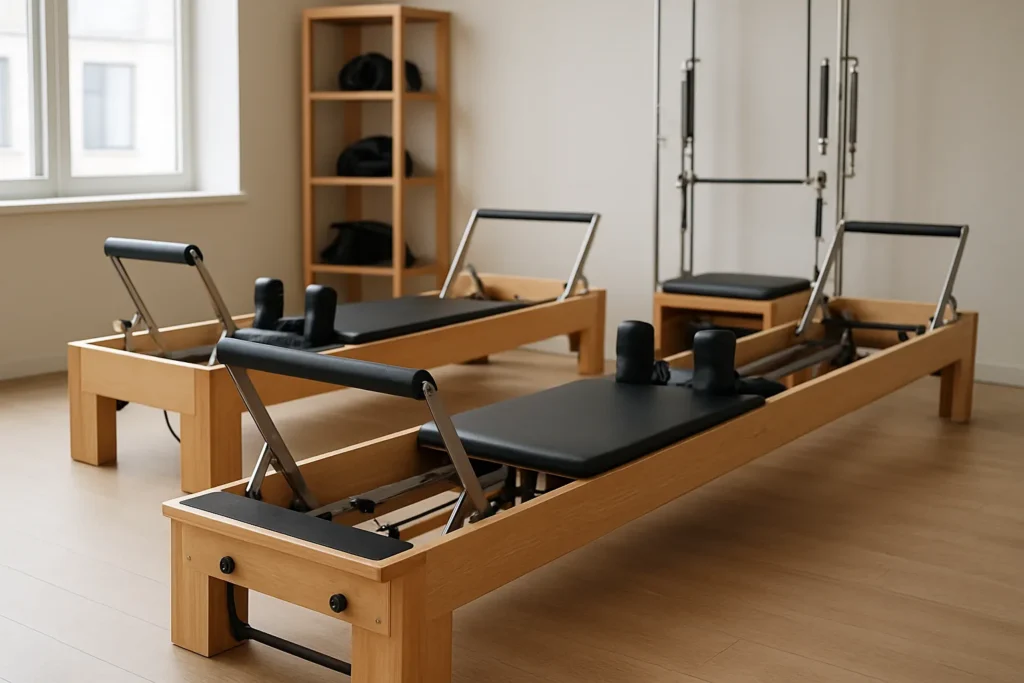
How to Choose the Right Pilates Reformer Equipment for Fitness Studios
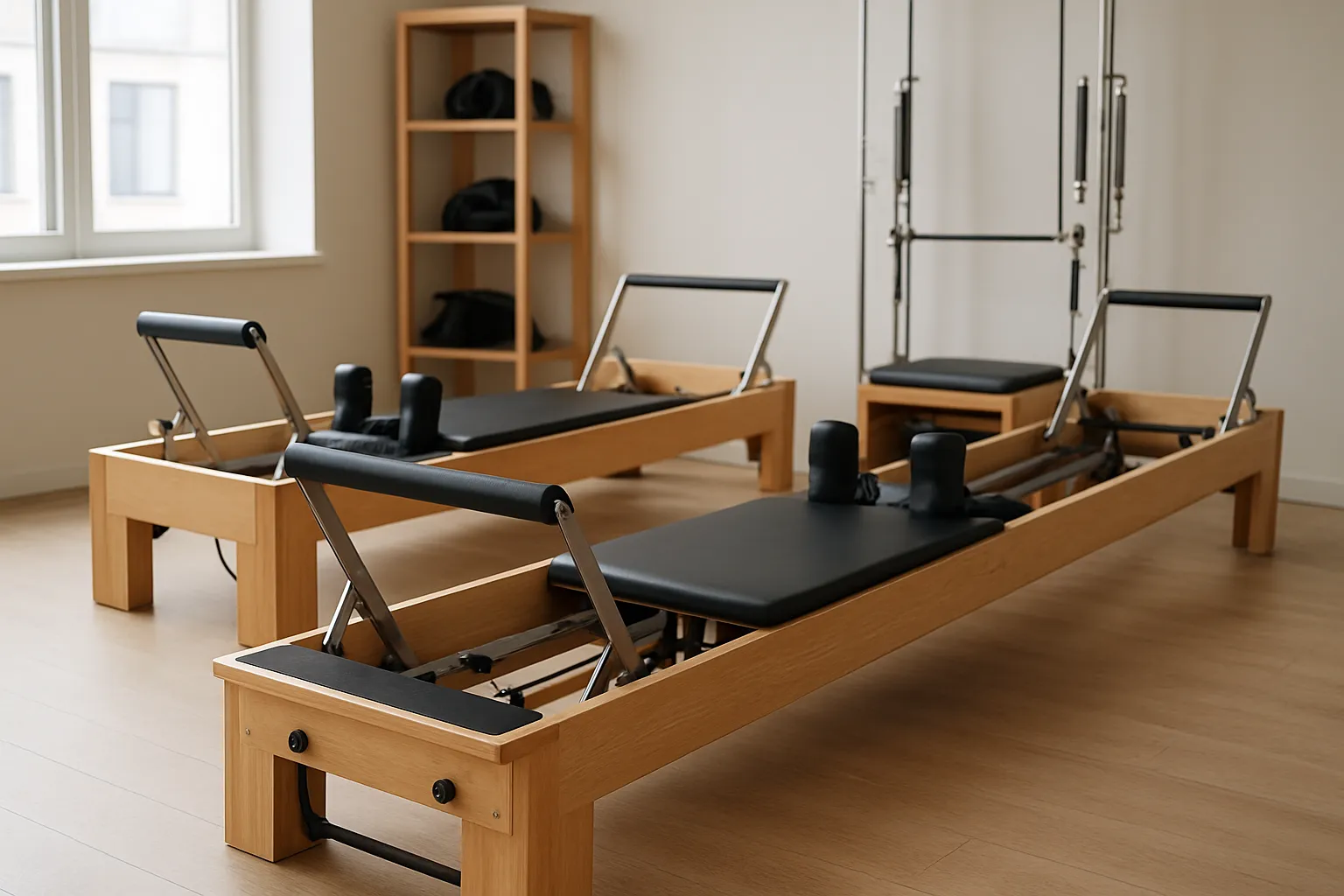
Introduction to Pilates Reformer Equipment
In the highly competitive world of fitness studios, offering a diverse range of effective workout options is crucial for attracting and retaining clients. One of the most popular pieces of equipment in modern fitness facilities is the Pilates reformer. This versatile apparatus not only enhances strength and flexibility but also provides a low-impact workout suitable for all fitness levels. As fitness studio owners consider their equipment inventory, understanding the significance and variety of Pilates Reformer Equipment is essential.
Pilates reformers come in various designs, sizes, and functionalities, making it imperative for fitness studio owners to make informed choices. In this article, I will guide you through the key factors to consider when selecting Pilates reformer equipment and how to implement it effectively in your studio.
Key Specifications to Consider
When investing in Pilates reformer equipment, several specifications should be taken into account to ensure that you make a well-informed decision.
Size and Dimensions
The size of the reformer is a critical factor, especially for studios with limited space. Reformers typically range from compact models designed for individual use to larger, more robust options that can accommodate multiple users. It’s essential to measure your studio space carefully and consider how many reformers you plan to have. Remember to leave adequate room for movement and safety during classes.
Weight Capacity
Different reformers come with varying weight capacities, which is vital for accommodating a diverse clientele. Most commercial-grade reformers can support between 250 to 500 pounds, but it’s crucial to select equipment that meets or exceeds the maximum weight of your expected users. This consideration not only ensures safety but also expands your potential client base.
Material Quality
The longevity and durability of Pilates reformer equipment largely depend on the materials used in its construction. Look for reformers made from high-quality wood, aluminum, or steel, as these materials typically offer better stability and resistance to wear and tear. Additionally, check the quality of the upholstery and the springs, as these components significantly affect the user experience.
Use Cases for Pilates Reformers
Pilates reformers can serve multiple purposes within a fitness studio, making them a versatile addition to your fitness studio supplies.
Individual Training Sessions
Many clients prefer personalized training sessions tailored to their specific fitness goals. Reformers allow trainers to provide customized workouts that can target particular muscle groups, making them an excellent tool for one-on-one training.
Group Classes
Reformers can also be utilized in group classes, providing an engaging and dynamic environment. Many studios offer reformer classes where participants can work together under the guidance of an instructor, promoting community and motivation among clients.
Rehabilitation and Therapy
Pilates reformers are widely used in rehabilitation settings due to their low-impact nature. Physical therapists often recommend reformer exercises to help clients recover from injuries. If your studio offers rehabilitation services, investing in high-quality reformers can enhance your offerings and attract a broader clientele.
Comparing Different Brands and Models
With a plethora of brands and models available, comparing options is crucial to finding the right Pilates reformer equipment for your studio.
Popular Brands Overview
Some of the most reputable brands in the Pilates reformer market include Balanced Body, STOTT PILATES, and Gratz. Each brand has its unique features and benefits, so it’s important to review their offerings in detail.
Feature Comparisons
When comparing different models, consider features such as adjustable footbars, removable shoulder pads, and the number of resistance springs. Some reformers come with added accessories like jump boards or boxes, which can enhance versatility and appeal to clients looking for varied workouts.
Price Range Analysis
Price is always a consideration when purchasing fitness equipment. Pilates reformers can range from $1,000 for basic models to over $5,000 for high-end options with advanced features. Establish a budget and consider the long-term investment value of the equipment based on its quality, warranty, and potential for attracting clients.
Sourcing Pilates Reformer Equipment
Finding the right supplier for your Pilates reformer equipment is just as important as selecting the equipment itself.
Where to Buy
Pilates reformers can be purchased from specialized fitness equipment retailers, online marketplaces, or directly from manufacturers. Each option has its pros and cons, and it’s important to research the reliability and reputation of the vendor.
Evaluating Suppliers
When sourcing equipment, evaluate suppliers based on their customer service, warranty offerings, and return policies. It’s beneficial to choose suppliers who can provide ongoing support and maintenance services, ensuring your equipment remains in optimal condition.
Negotiating Prices
Don’t hesitate to negotiate prices with suppliers, especially if you are purchasing multiple units. Many suppliers offer discounts for bulk purchases or may have seasonal sales that can significantly reduce costs.
Implementation in Your Fitness Studio
Once you have selected your Pilates reformer equipment, it’s time to implement it into your fitness studio.
Space Planning and Layout
Careful planning of your studio layout is essential for maximizing the use of Pilates reformers. Ensure that there is enough space between each reformer for safe movement and accessibility. Consider creating designated areas for individual sessions and group classes.
Staff Training Requirements
Investing in staff training is crucial for ensuring that your instructors are knowledgeable about the equipment and can effectively guide clients. Consider offering training sessions or workshops that focus on the proper use and benefits of the reformers.
Maintenance and Care
Regular maintenance is key to prolonging the life of your Pilates reformer equipment. Establish a maintenance schedule that includes routine checks for wear and tear, cleaning, and necessary repairs. Providing staff with guidelines on how to care for the equipment can also help maintain its condition.
Frequently Asked Questions
Common Buyer Concerns
Many studio owners worry about the initial investment required for high-quality Pilates reformers. However, considering the potential revenue from classes and personal training sessions can justify the expense.
Equipment Lifespan
The lifespan of Pilates reformers varies based on usage and maintenance but can typically last anywhere from 10 to 20 years with proper care. Investing in high-quality equipment can extend this lifespan significantly.
Warranty and Support Options
Most reputable manufacturers offer warranties ranging from one to five years, covering defects and repairs. Always inquire about warranty specifics and support options before making a purchase to ensure you are protected.
Conclusion
Choosing the right Pilates reformer equipment for your fitness studio is a multifaceted decision that involves careful consideration of specifications, use cases, brands, and sourcing strategies. By understanding the importance of these factors, you can make an informed investment that enhances your studio offerings and attracts a diverse clientele. Proper implementation and maintenance will further ensure that your Pilates reformers provide value for years to come, positioning your fitness studio as a leader in the industry.